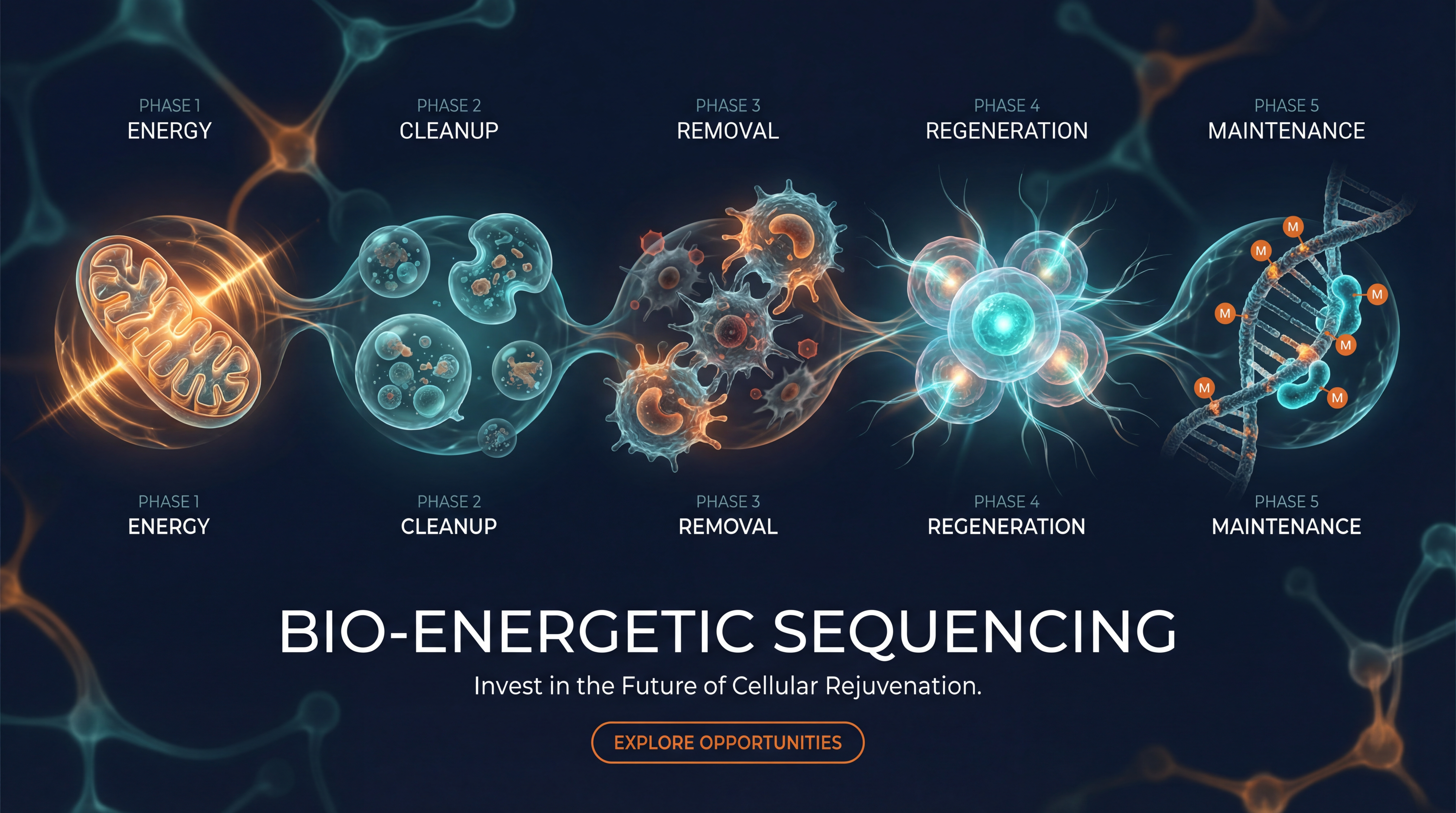
Each phase must be established before the next can activate. This is not a supplement stack—it is a state transition protocol grounded in control theory. The cellular system is modeled as a dynamical system where state variables evolve according to intervention inputs and temporal dynamics.
These equations describe how cellular state evolves under interventions. Dependencies emerge from coupling terms in f(x,u,t)—autophagy activation depends on energetic capacity, senolysis safety depends on autophagic clearance, regeneration efficacy depends on cleared senescent burden.
Each phase builds the cellular capacity required for the next. Skipping a phase leads to intervention failure or creates pathological instability—rapamycin without energy causes metabolic collapse, senolytics without autophagy precipitate debris crisis, stem cell activation in damaged tissue increases cancer risk.
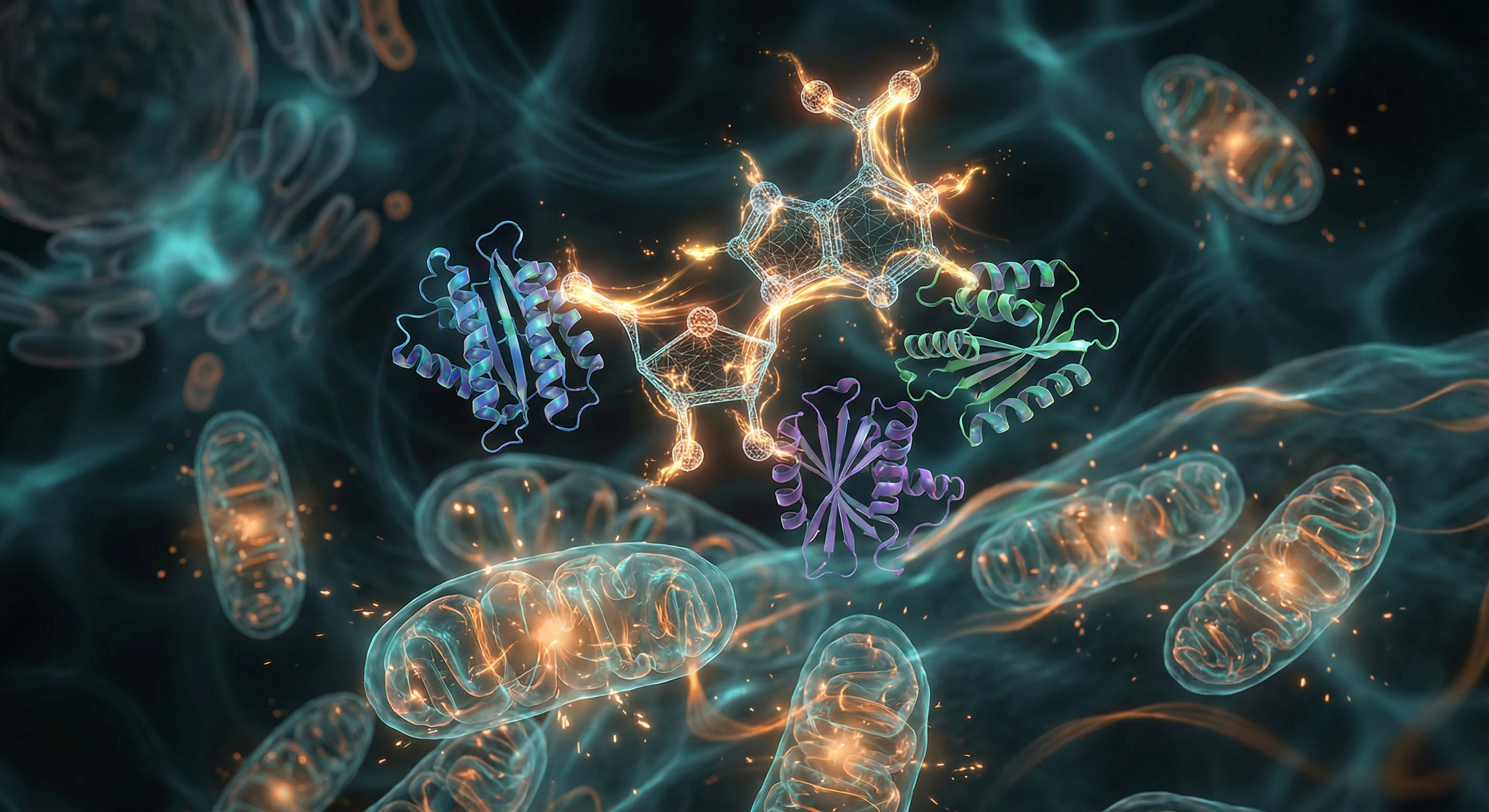
Restore mitochondrial capacity through NAD+ precursor supplementation and sirtuin activation. Without energetic sufficiency, cells cannot execute downstream processes such as autophagy, DNA repair, or senescent cell clearance.
Key Interventions:
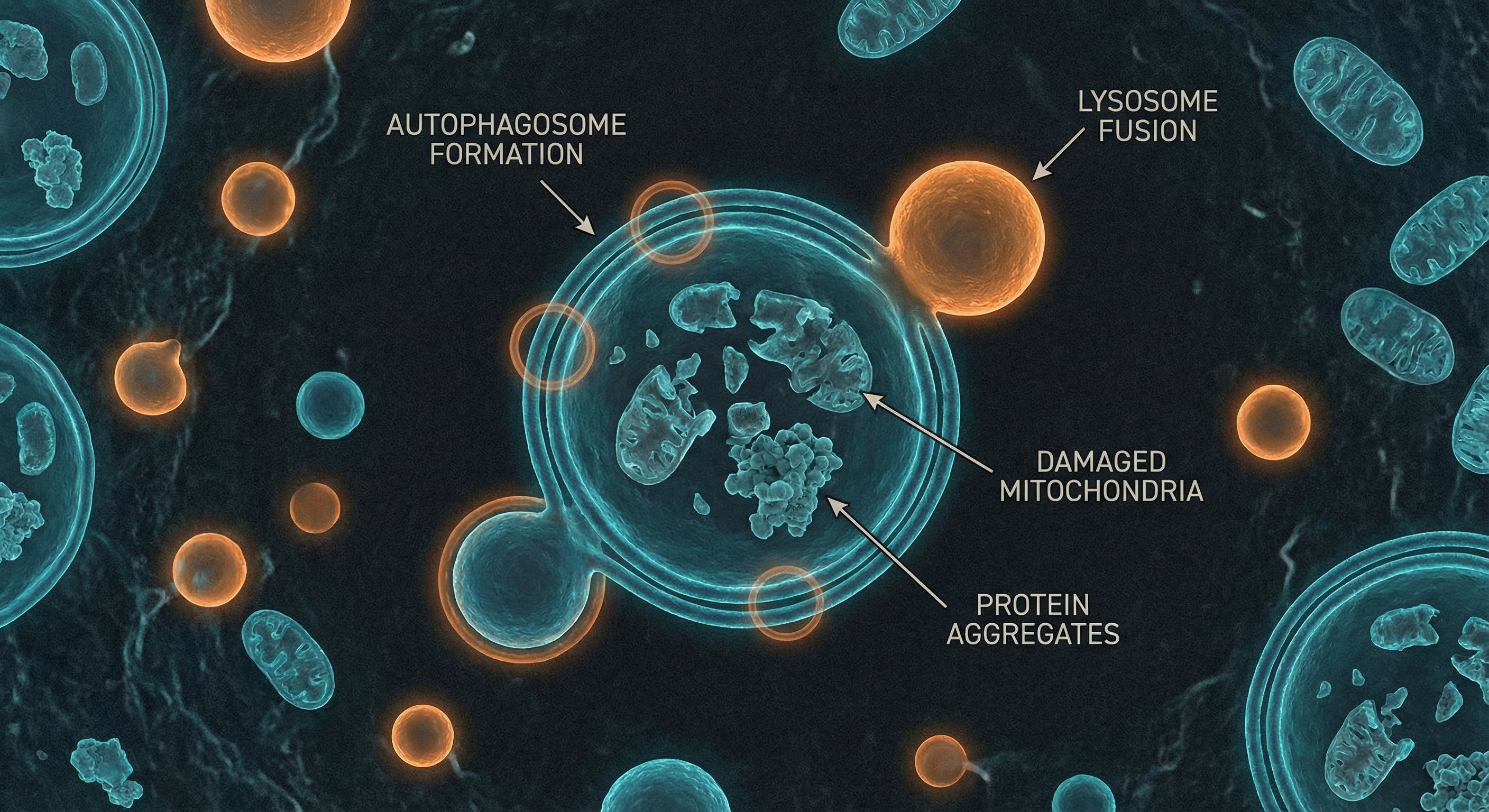
Activate autophagy to clear damaged proteins, dysfunctional organelles, and accumulated cellular debris. This phase requires stable energetic capacity from Phase 1 to sustain the energy-intensive process of autophagic degradation and lysosomal recycling.
Key Interventions:
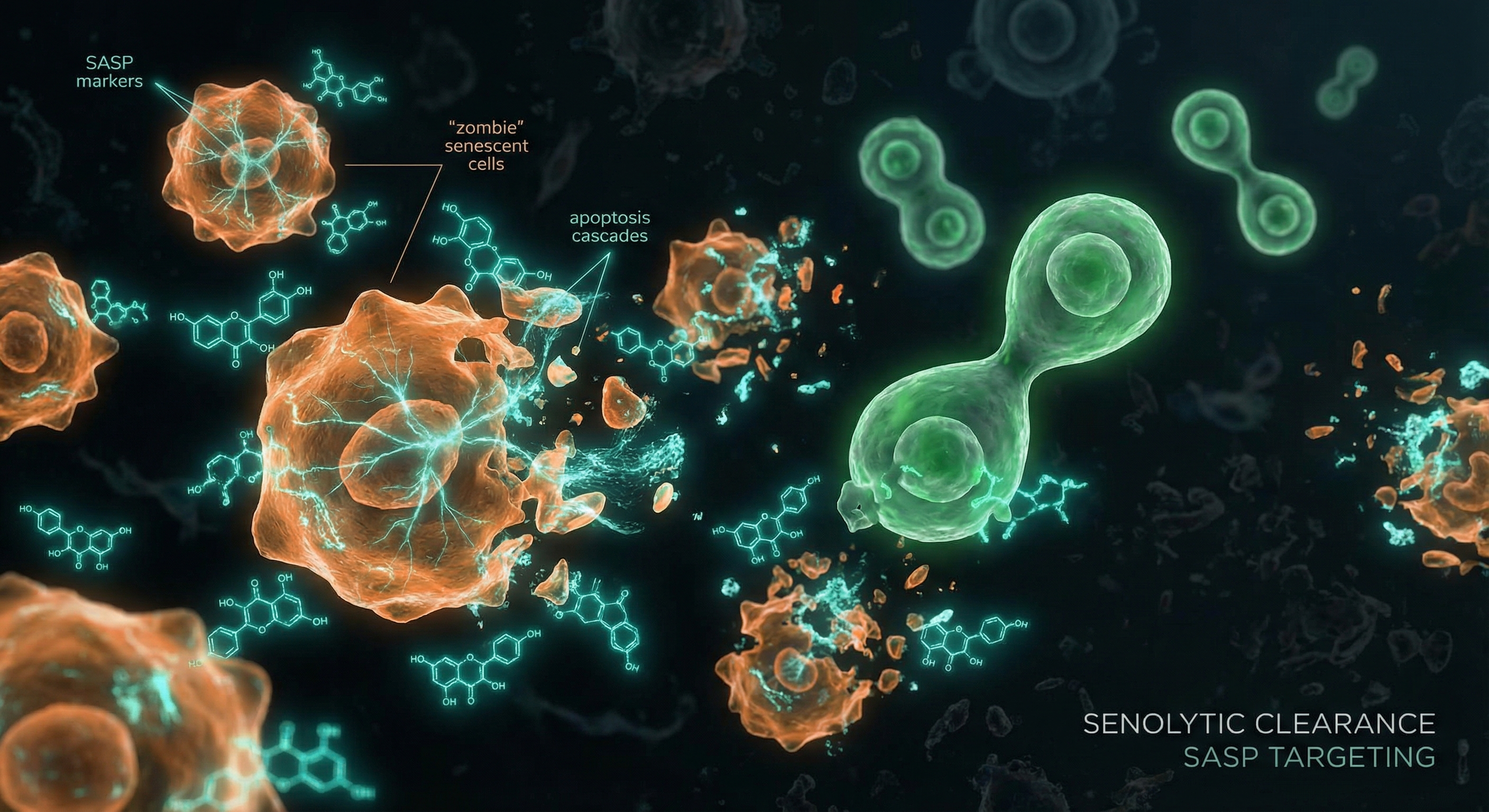
Selectively clear senescent cells that have accumulated due to chronic stress, DNA damage, and telomere attrition. This intervention is only safe after autophagy is active—clearing senescent cells without autophagic capacity to process debris results in inflammatory crisis and tissue damage.
Key Interventions:
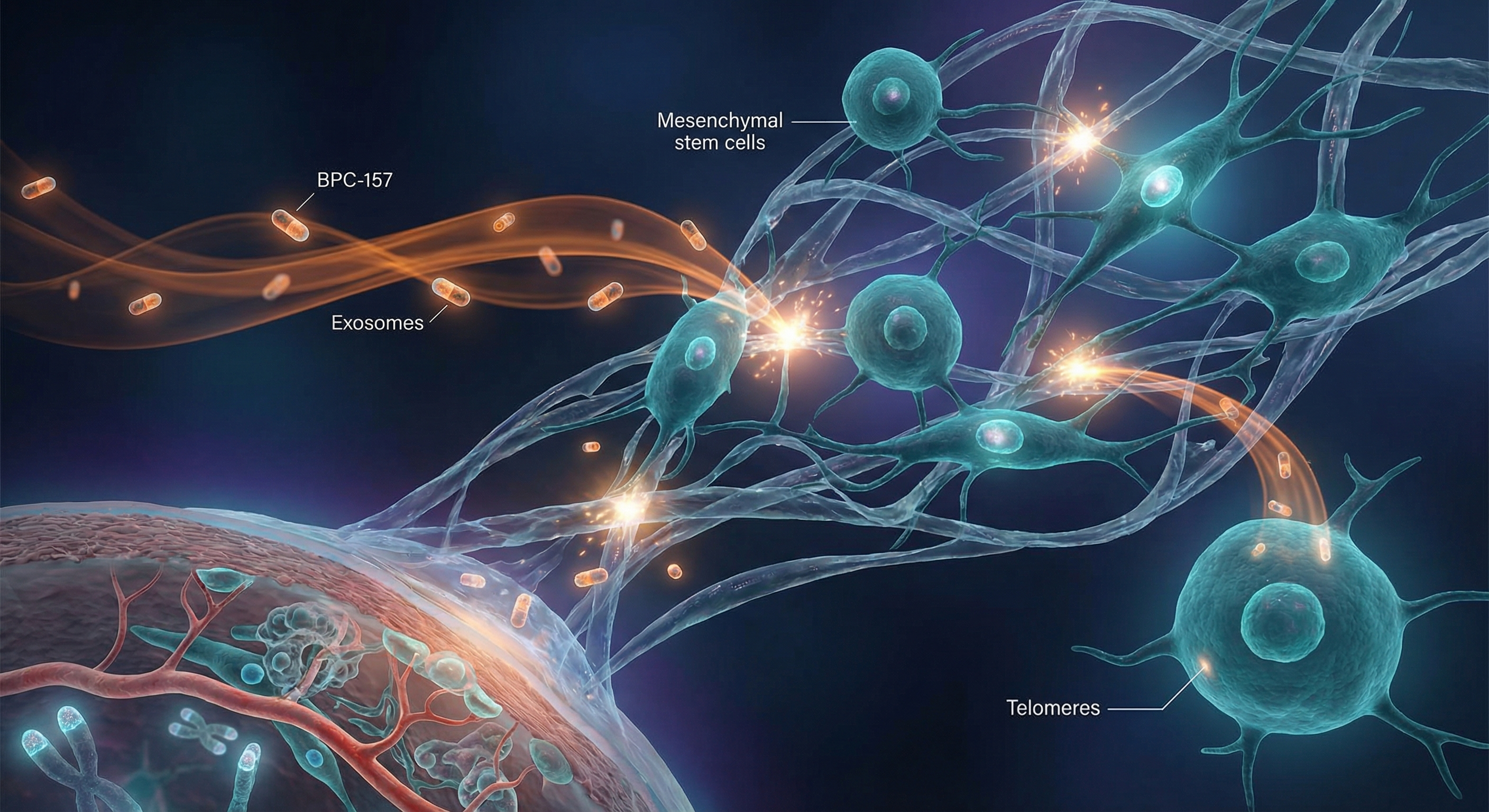
Activate stem cell renewal and tissue regeneration pathways. This phase requires a cleared cellular environment—senescent cells secrete factors that inhibit stem cell function and increase cancer risk, making prior clearance essential for safe regenerative interventions.
Key Interventions:
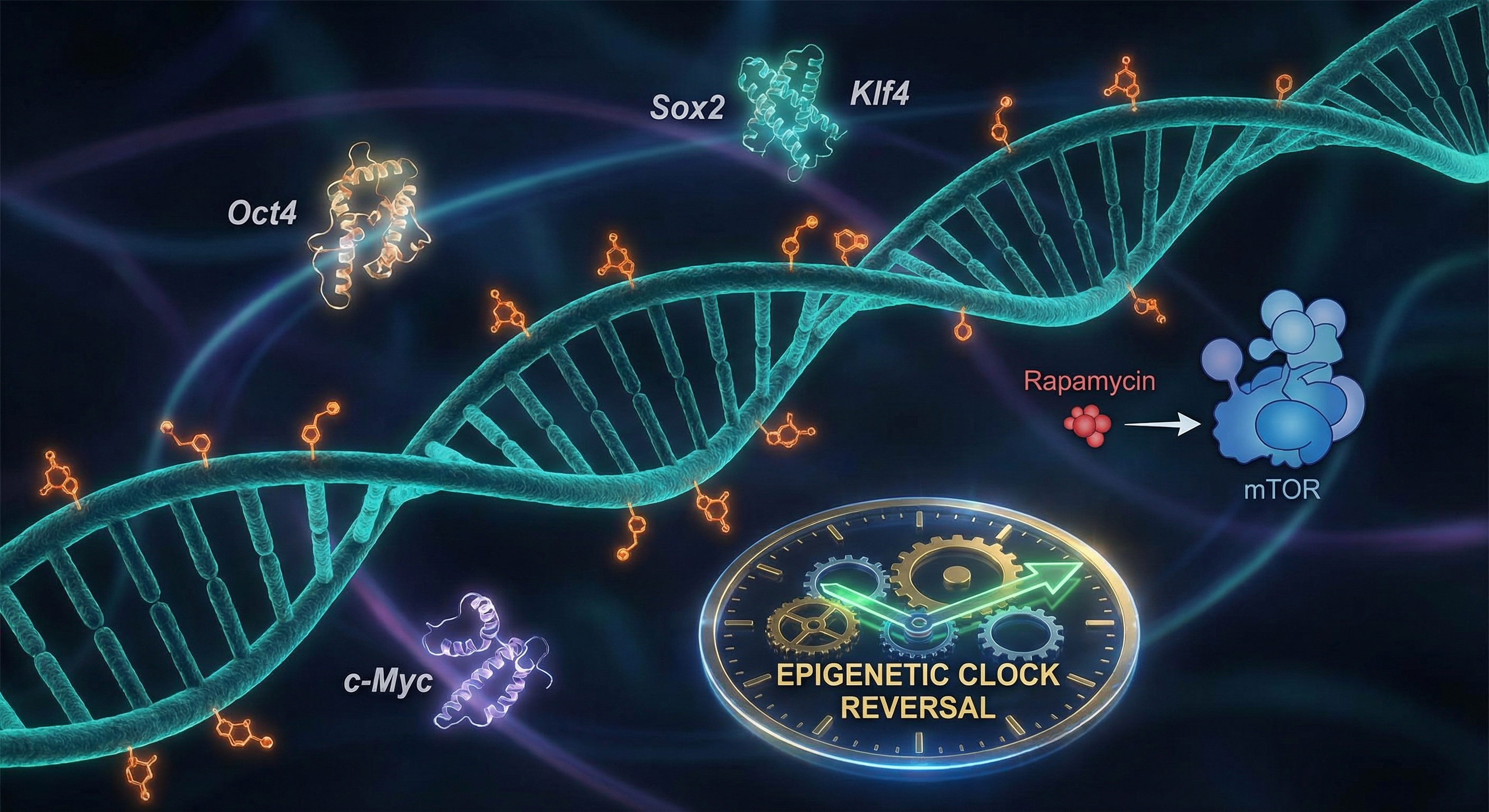
Shift epigenetic state toward youthful expression patterns through methylation optimization and histone modification. This final layer operates on gene expression programs—it is only effective after structural cellular renewal has been achieved through prior phases.
Key Interventions:
Every protocol decision is grounded in systematic computational analysis across peer-reviewed literature, pathway dependency mapping, and clinical translation. This is not trend-following or intuition—it is rigorous evidence synthesis and mathematical modeling.
Systematic extraction of intervention data from peer-reviewed literature across Nature, Cell, Science, The Lancet, and specialized aging journals including Aging Cell, Rejuvenation Research, and GeroScience. Every claim is traced to primary source data with documented effect sizes, study populations, and methodological quality assessments.
Computational mapping of signaling cascade dependencies including NAD+/SIRT1/PGC-1α mitochondrial biogenesis, mTOR/AMPK/ULK1 autophagy regulation, and p53/p21/SASP senescence pathways. This analysis identifies which biological processes gate which downstream interventions, creating the empirical foundation for the dependency chain.
Translation of computational findings into implementable clinical protocols with precise dosing schedules, biomarker monitoring plans, phase-transition criteria, and safety gates. This includes individual variation modeling to account for metabolic heterogeneity, drug interactions, and baseline health status across patient populations.
The Bio-Energetic Sequencing Model is based on Principia Sanitatis by Mullo Saint, published through American Longevity Science. The framework is grounded in six theoretical papers and four peer-reviewed research studies demonstrating intervention sequencing effects and dependency violations.
Complete theoretical foundation published through American Longevity Science:
Original research and clinical validation studies:
Most longevity protocols fail because they ignore cellular state dependencies. Rapamycin without energetic sufficiency causes metabolic collapse through excessive ATP consumption. Senolytics without autophagic capacity precipitate a debris crisis as cellular fragments overwhelm clearance mechanisms. Stem cell activation in a senescent-rich environment increases cancer risk through exposure to pro-inflammatory, pro-proliferative SASP factors. The sequence is not optional—it is the mechanism of action.
Building the first clinically-validated, dependency-aware longevity platform with Phase I/II trials, AI-driven personalization, and regulatory pathway development.
Phase I/II trials, biomarker tracking, safety monitoring
AI-driven personalization, state monitoring systems
FDA pathway, compliance, clinical governance
Education, research publication, ecosystem growth
Core scientific and operational team expansion
Engineered Healthspan is part of a broader research and development ecosystem spanning personal protocols, theoretical frameworks, and peer-reviewed validation.
Personal research hub documenting longevity protocols, biohacking experiments, and self-quantification data. Serves as the empirical testbed for protocol development and individual variation modeling.
Visit mullosaint.com →Theoretical foundation and mathematical frameworks including the Continuity Assurance Theorem, Bio-Energetic Sequencing Law, and Viable Zone Theory. Houses the complete six-paper framework series.
Visit americanlongevityscience.com →Published studies demonstrating intervention sequencing effects, dependency violations, and clinical validation of the Bio-Energetic Sequencing Model across cellular and organismal models.
Visit research.mullosaint.com →